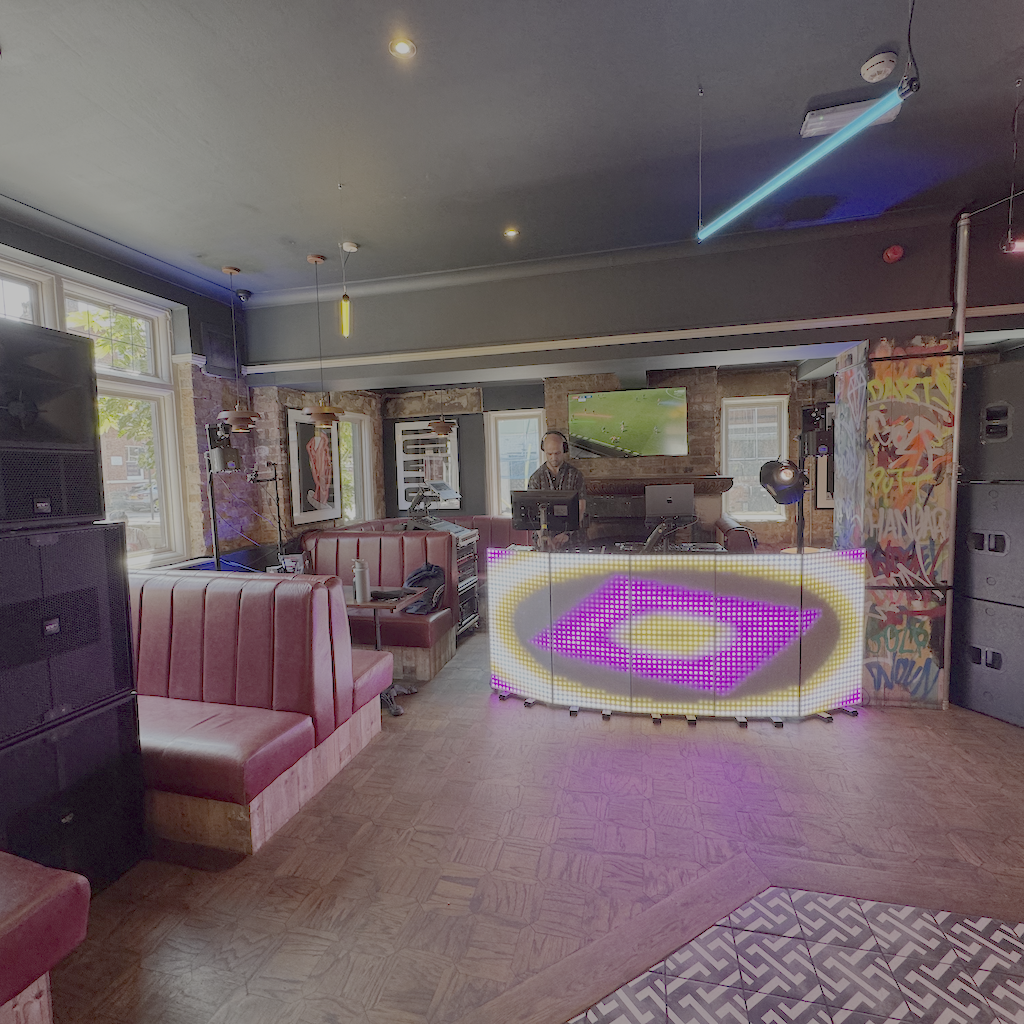
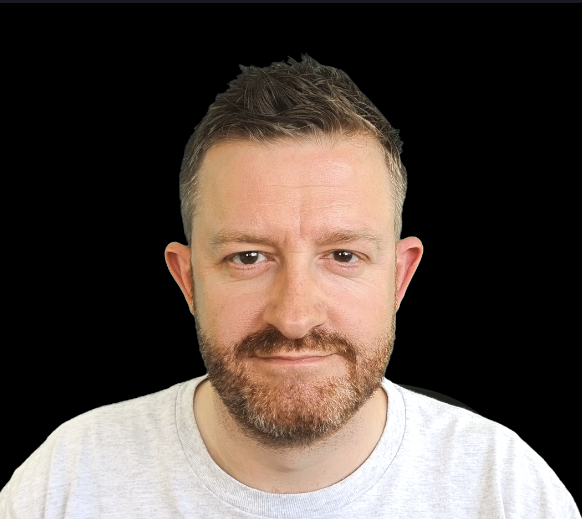
This is a landmark journal entry for the physical gig on the 23rd May 2026, not just for RawSessions, but as a reflection on small independent events in general. In many ways, it feels like a snapshot of where grassroots culture currently sits.
RawSessions, like all things, continues to be a learning experience. I’m still not entirely sure what it is, or what it should become, and recent lessons have reinforced something important: it has to remain fun. When your normal weeks are already stressful and grounded in risk, events should become the release from that pressure, not another layer of it waiting to be carried.
The original concept was ambitious: a twelve-hour live broadcast from a venue, raising money for charity. That was the plan, and it was marketed online for months in exactly that format. In reality, though, the distinction between “broadcast” and “physical event” mattered far less to the public than expected.
There are also things you simply cannot plan for. An unusually hot weekend in the UK changed people’s priorities overnight, and a well-known DJ announced an event a week before on the same day just around the corner. Combined, it completely shifted the landscape; ant met Goliath’s sandle.
I pushed hard to continue with the original plans because, with over thirty years of DJing under the belt, twenty years of which working in bars and clubs, thousands of gigs, and a long history of DJing in that town, I genuinely believed people would still turn up. They didn’t.
That’s difficult to write, but it’s also important to document honestly.
The country has changed a lot over the last few years. People do not go out in the same way they once did. Work culture has changed too — the old “work hard, play hard” mentality feels largely gone. I remember clubs where sweat literally dripped from the ceiling and people danced until 6am regardless of the day, weather, or circumstance. That energy existed for a long time. It just feels rarer now.
In light of 2026, here are some observations.
A twelve-hour event in your forties is no joke. Physically, it hits differently now. Respect the endurance required. Summer events are far harder than they first appear. Good weather competes directly with nightlife. People stay home, sit in gardens, have barbecues, and socialise differently. This particular date turned out to be a difficult one to fight against. Autumn and winter may simply suit this kind of format better. Bank holiday weekends are not automatically beneficial. In theory they sound perfect; in practice, people disperse, travel, rest, or make other plans long before your event enters their thinking.
Performing and running an event are completely different disciplines and should be treated as such. DJing is one thing. Organising venues, equipment logistics, insurance, risk assessments, health and safety, scheduling, load-ins, load-outs, accountability, and overall responsibility is another entirely. One mindset rarely supports the other cleanly. Separation of concerns matters more than I realised. Broadcasting and live streaming introduce a completely separate layer of complexity again. Stable internet, clean audio chains, video routing, signal redundancy, encoding, monitoring, and troubleshooting all become part of the event itself. A livestream is not simply “a camera in the corner”; it effectively becomes its own production environment running in parallel with the physical venue. If the team around it do not fully understand that, the pressure multiplies quickly.
What became especially clear is that a successful broadcast does not necessarily create a successful live event, and equally, a good physical atmosphere does not automatically translate well online. They overlap, but they are fundamentally different experiences with different requirements and expectations.
Be careful who you involve in marketing and promotion. Even when events are tied to charity or community goals, commercial realities still dominate towns and cities. There is nothing inherently wrong with that, but altruism only works when everyone involved genuinely buys into the same vision. Communication matters more than almost anything else. Clear expectations prevent emotional fallout later. In my day-to-day life running an SME in the UK, risk has very real, real-world consequences. If I make serious mistakes professionally, there are legal, financial, and regulatory outcomes attached to that. Events carry risk too, but of a different kind. If somebody gets hurt because of poor planning, that matters deeply. If somebody dislikes the music selection, that is part of subjective taste. It can feel emotionally intense in the moment, but perspective matters. Genre flow across a long-form broadcast is much harder than expected when multiple groups of performers are involved. DJ switching and genre transitions look effortless when done well, but that usually comes from a single person maintaining full control of the room’s pacing and energy. Watching people like Ben Warner handle that has given me a new level of appreciation for the craft involved.
What this experience taught me is that collaborative line-ups need much clearer structure: defined set boundaries, planned transitions, contingency performers, and deliberate pacing throughout the day. I had imagined a more fluid “mixed journey” approach due to the live broadcast, but in practice it lacked cohesion. Coupled with trying to manage key moments and a lack of audience, I failed to manage that aspect.
For every person enjoying something, another person will complain. That has been true for decades and will probably remain true forever. Somebody will ask for R&B during a house set, or hard house during garage. That is simply human nature. The important thing is ensuring the marketing honestly reflects the likely experience, then accepting that subjective reactions are unavoidable.
Despite everything, this still mattered.
Independent events, especially small ones, are increasingly difficult to sustain. Costs rise, audiences fragment, habits change, attention spans shorten, and competition becomes constant. But there is still value in trying things, even when they do not land as expected. There is value in documenting the process honestly too.
RawSessions continues to evolve and let’s what the next key moment brings.
To everyone that tuned in online, thank you! We had about 150 people turn up which is our highest number yet and raised about £160 for the Teenage Cancer Trust.
Until the next time.
Dave
Why share?
RawSessions.com is a non-commercial, community and passion driven streaming radio service. Sharing is caring! We gatekeeper only on passion and quality.
Want to live stream your DJ broadcasts? Say hello on Mixcloud or email us: contact@rawsessions.com.